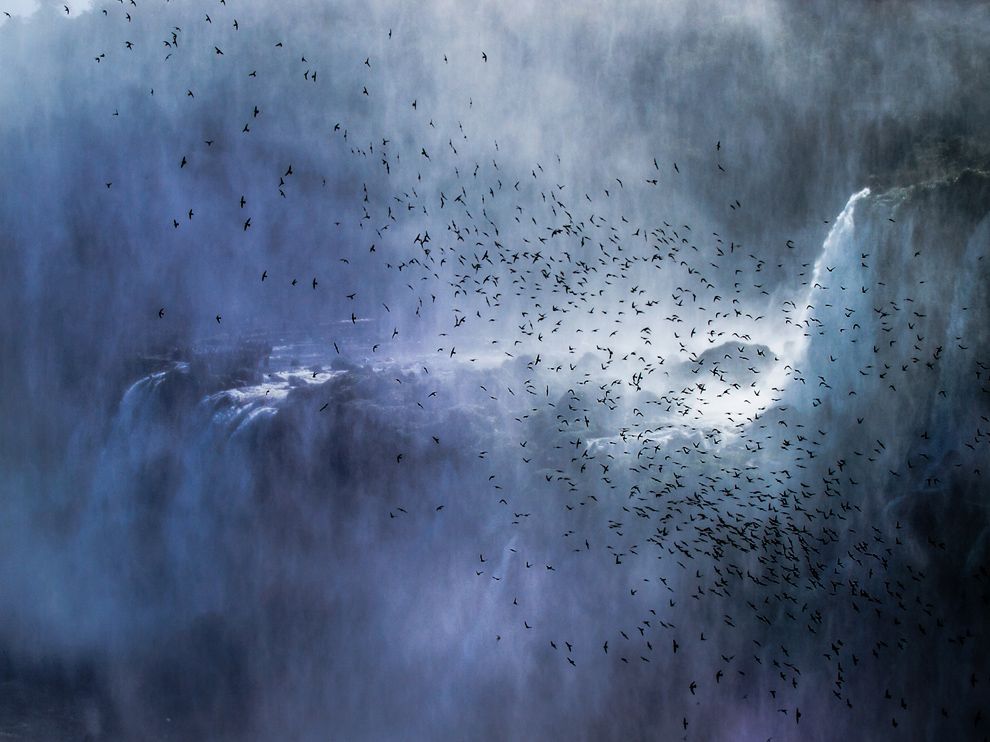
Reef Manta Ray, Bali – Photograph by Andrea Marshall (click to view entire image)
Hindu Ritual, India – Photograph by Arun Saji
“This image was taken during the Hindu religious ritual known as Theyyam.”
(Video of Theyyam)
“This image was taken during the Hindu religious ritual known as Theyyam.”
(Video of Theyyam)
Every since I’ve joined dribbble, I’ve noticed that there are certain styles on the site that have pop up again and again and again. Some are genuinely awesome ideas, others are just passing fads.
The app icon/logo with the slanted shadow
http://dribbble.com/shots/1107326-Everything-is-going-flat
http://dribbble.com/shots/1125931-Swiiish-Icon
http://dribbble.com/shots/1121450-Xclv-Touch-Logo-icon?list=debuts
http://dribbble.com/shots/829485-Moose?list=searches
http://dribbble.com/shots/1116106-Riko-Music-icon?list=debuts
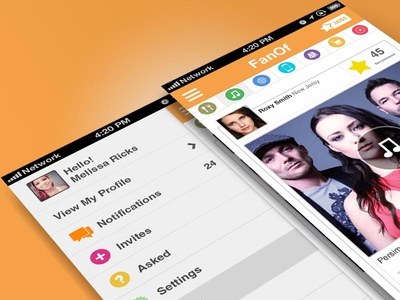
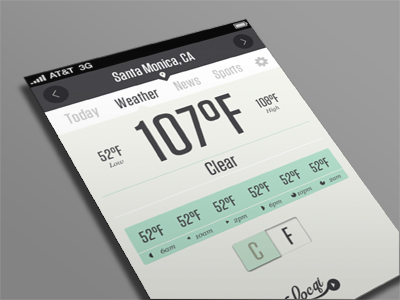
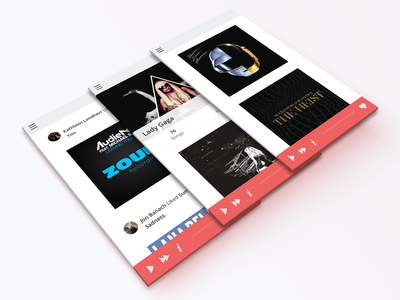
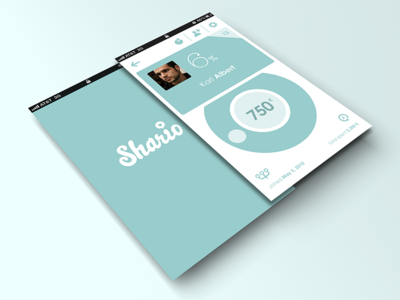
The floating screen(s)
http://dribbble.com/shots/1126297-Fanof-Screen
http://dribbble.com/shots/1126024-Swiiish-Screens
http://dribbble.com/shots/1117873-Locqi?list=debuts
http://dribbble.com/shots/1114948-Lively-iPhone-App?list=debuts
http://dribbble.com/shots/1113097-Shario
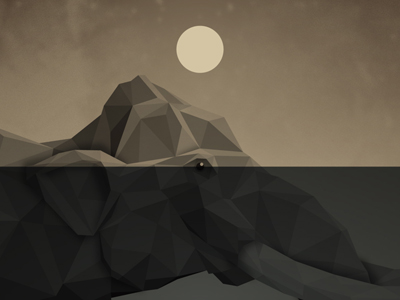
The geometric animal illustration
http://dribbble.com/shots/278494-Mystery-Project-11-1
http://dribbble.com/shots/800706-Buck?list=searches
http://dribbble.com/shots/326243-deer-2?list=searches
http://dribbble.com/shots/980782-Geometric-Halftone-Panda?list=searches
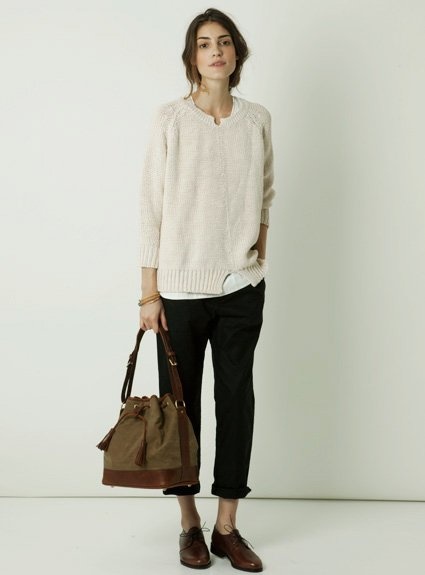
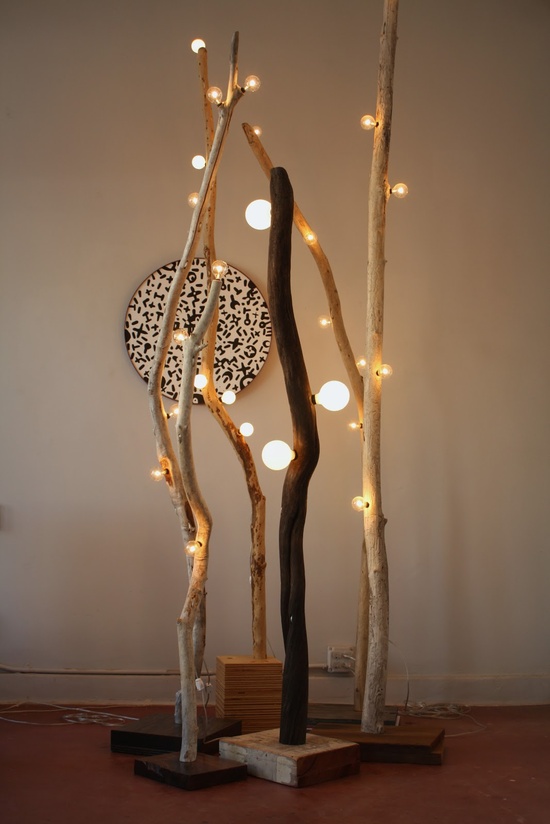
Emi Grannis, CA jewelry designer, has a really unique taste in items that are contemporary, beige and rustic. They really match my personal taste in apparel, interiors and everything in between. See below (and go here for more)


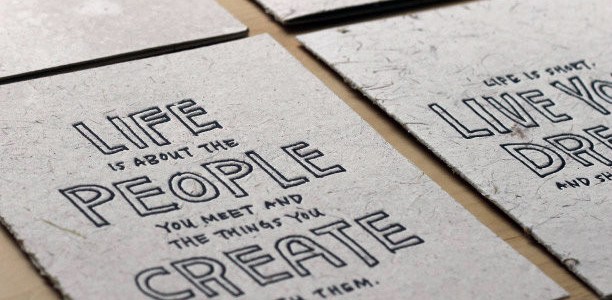
Dave and Michael Radparvar are doing awesome things at Holstee, a company that sells sustainable/socially-responsible goods.
Check out their products below:
Wall Decals at Blik! These geometric decals are so much fun. 


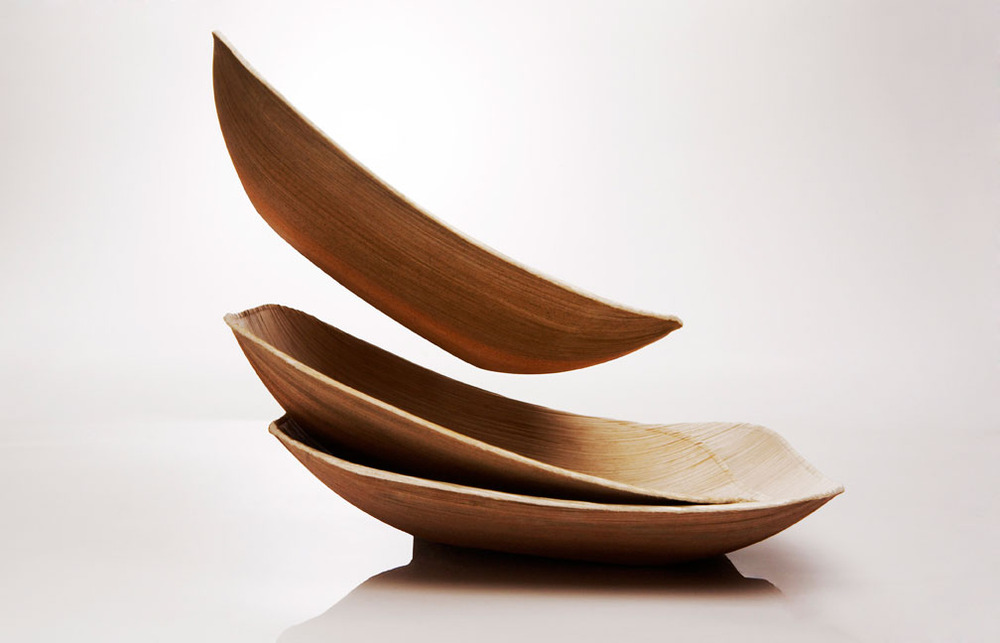
Dinnerware made from palm tree leaves. How cool is that?
“Our environmentally-friendly plates, bowls and serving dishes are made only from two products: fallen leaves and water. They’re non-toxic, biodegradable, compostable, durable, lightweight, convenient and downright stylish”
“Our production process is simple and transparent: After collecting fallen leaves that would normally be burned, we apply steam, heat and pressure to transform the leaves into durable products that will naturally compost in 2 months.
This is all sorts of amazing. Rashad Alakbarov uses light and shadow to make amazing paintings on walls. I can’t imagine any other way to do this except piece by piece. Go check out more here.
It’s the Christmas season again, and the expectation to get something great for the folks back home is set high above my frame. I decide to get my parents a kayak, the inflatable kind that fits inside the car. They’ve always talked about getting one, but never have because they had worries about transporting one from our home to X destination. So I was pretty happy when I made the purchase. It was a big one, that’s for sure.
When it was delivered to me earlier to week, I found a warning label on the box that says “This product contains chemicals known to the State of California to cause cancer, or birth defects or other reproductive harm.” Now, I know that Prop 65 demands that this warning label is placed on many products that may not even have any dangerous chemicals in them, but I wanted to check with the company anyway to see what was up with the label.
I decided to call the Sea Eagle customer support number yesterday. “Hi, I have a question about the warning label on the Kayak I just bought”…”Ok.” I ask what parts of the product contain the chemicals mentioned on the label, and the lady on the other end replies, “I have no idea.” “Is there anyone I could talk to who might know?”…”No.” “There’s no one on your staff who might know?”…
Needless to say, this conversation was not very fruitful. I knew that I wasn’t getting anywhere, but I wanted to know if the company cared at all about customer concerns like mine. If there’s lead in the PVC material used to make the kayak, I want to know if exposure to it is going to harm the people using it. I want to know what’s in the things that I buy. I want to know when companies are going to start being open with their customers. I want some transparency, and yesterday, I didn’t find it.
I started wearing glasses when I was in middle school. My parents asked me one day if I could read a sign on the outgoing mail box from where we were sitting in our car. I said “no.” Horrified, they immediately blamed it on the Game Boy that I had spent far too much time playing. I realized in that moment that I would probably never play Game Boy again. I was right.
In the following months, I found myself going to the eye doctor and receiving my first pair of prescription glasses. I hated them, and I hated the fact that I could no longer play video games. The 12-year-old me couldn’t see how becoming near-sighted could ever give me any advantages in life. Most people would probably agree. How could seeing life as a giant blur help in any way?
It may sound strange, but seeing without focusing on one particular thing in front of me has helped in many ways.
Think of standing in front of an audience of 75 people. They’re all staring at you, waiting for you to give a presentation. Your palms are sweating and your stomach is turning. You see everyone’s expressions and reactions to whatever it is that you’re saying. That’s what it felt like when I wore glasses.
Now imagine blocks of tans, reds, blues and grays moving slightly back and forth. They are the people you are presenting to. They have no faces, no expressions, no visual reactions. That is what it’s like what I see without visual aids. I don’t get nervous. I remember my speech and go through the presentation without a hitch.
Not that this is helpful in every scenario (especially for ones where you need to see other people’s faces), but it has in fact made me lose any fear of speaking in public.
See, after I conditioned myself to stop worrying about the people out there and worry more about the content that I was about to present, I could start using visual aids again. After a while, I just stopped getting nervous altogether, even when I would be wearing glasses or contacts.
Now think about this: instead of seeing the big picture, you only see the small things directly in front of you. Your brain stops focusing on the things far away and only focuses on step no. 1. What’s so great about this? Well, it turns out it makes me think about step no. 1 not only in physical space but also in mental space.
Say my room is a complete mess. Everything is in disarray, and I just can’t get started, because it seems like such a huge task.
But then I remove my contacts, and instead of seeing the large amounts of clothing I have to organize, I only see the first piece of clothing in front of me that I have to pick up. Seeing that first step is a way for me to keep going little by little until I finish my task.
Finally, being near-sighted as been helpful in doing something that actually requires navigating physical space well. Running outdoors requires that you see well enough so that you don’t trip or crash into things. In fact running without visual aids might even be considered dangerous depending on how poor your vision is. (My eyesight isn’t so terrible that I wouldn’t be able to see a train coming towards me.)
But after running without contacts once, I realized something. It was that I could concentrate more on running, because my brain wasn’t receiving visual input that could be translated into additional thoughts that could distract me. I didn’t see the advertisements on the streets, the birds on the sidewalk, the little things that might stop me from focusing on breathing and going forward. I was purely concentrated on the one activity that I was doing.
Seeing without focusing isn’t something that works for everyone. It works for me, because I’ve learned to use it in a positive way that helps me get better at certain things. Once I’ve gotten better at them, I can go back to seeing and focusing. It’s a conditioning technique that has come out of a flaw that I once hated.
If I had told the 12-year-old me that losing 20/20 would have some benefits, I probably wouldn’t have believed myself. You might still not believe me either. But I’ve found something that I can use in order to do things that I might not otherwise want to do. I’ve made myself see a glass that’s more than half full, even if in reality it’s less than half empty.

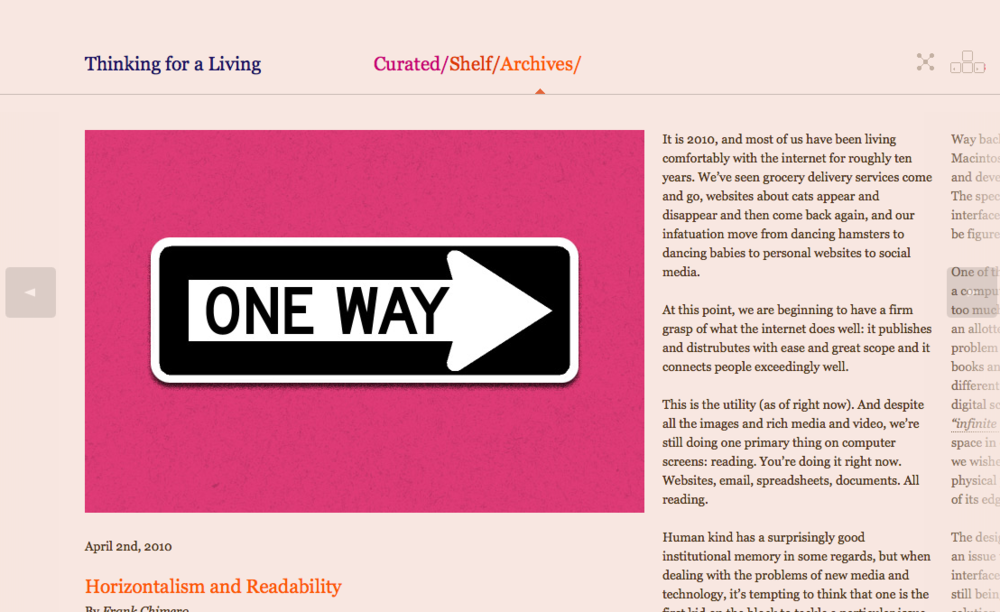
Thought-provoking design content. Use your keyboard arrows to navigate the site, which scrolls horizontally instead of vertically. I really enjoy their article on Horizontalism and Readability, which delves into the history of scrolling and why scrolling horizontally might actually make sense in some cases.
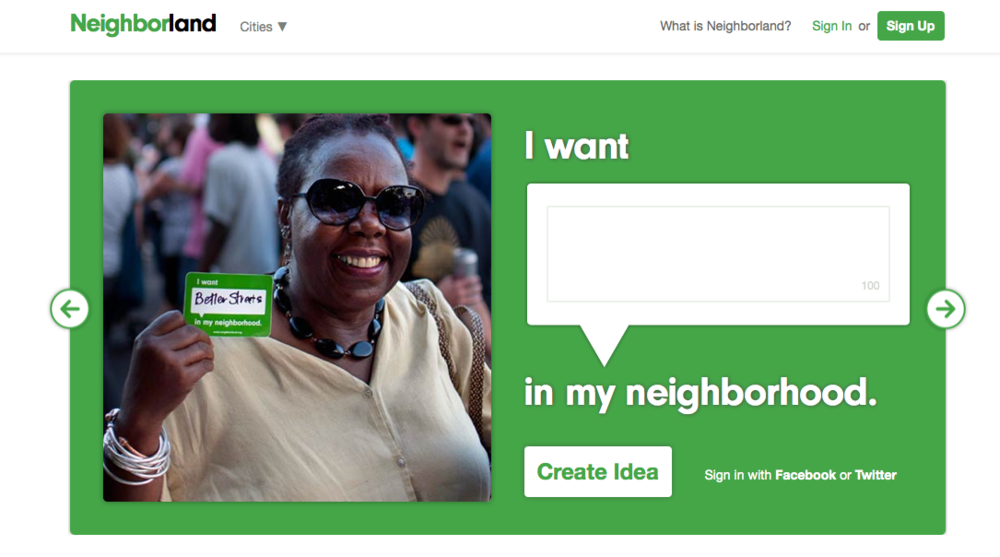
2. Neighborland
A great way for people to voice their ideas on what their neighborhoods need and how they can be improved. It’s a powerful tool if used well.
If you haven’t heard of Chris Guillebeau, well…he’s kind of awesome. He’s visited 189 out of 193 countries, and he’ll have been to every country in the world very, very soon. He’s also a writer, a blogger and an influential guy when it comes to living an unconventional life. I love what he’s about.